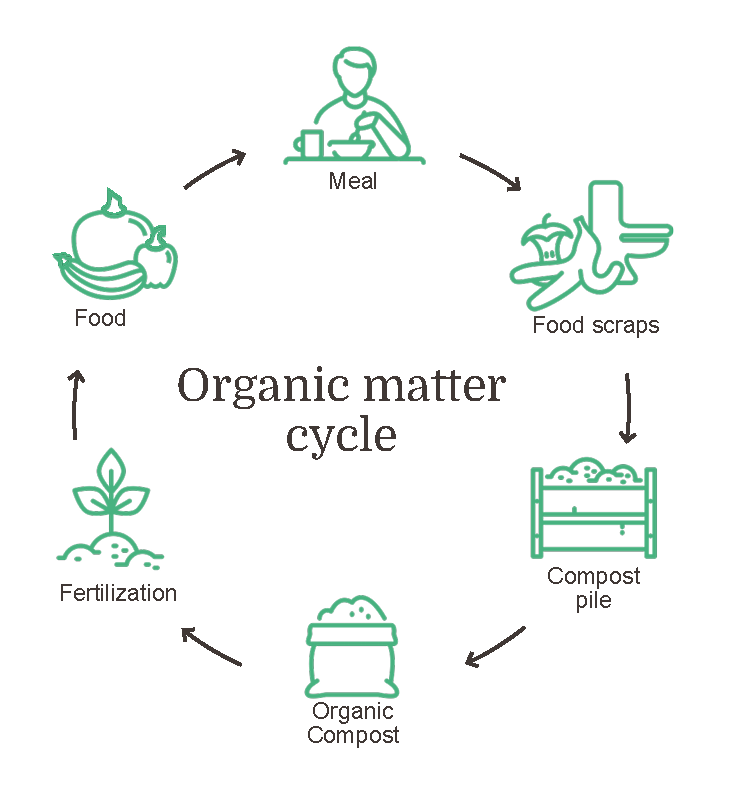
Organic recycling is the world’s oldest form of recycling.
What is composting?
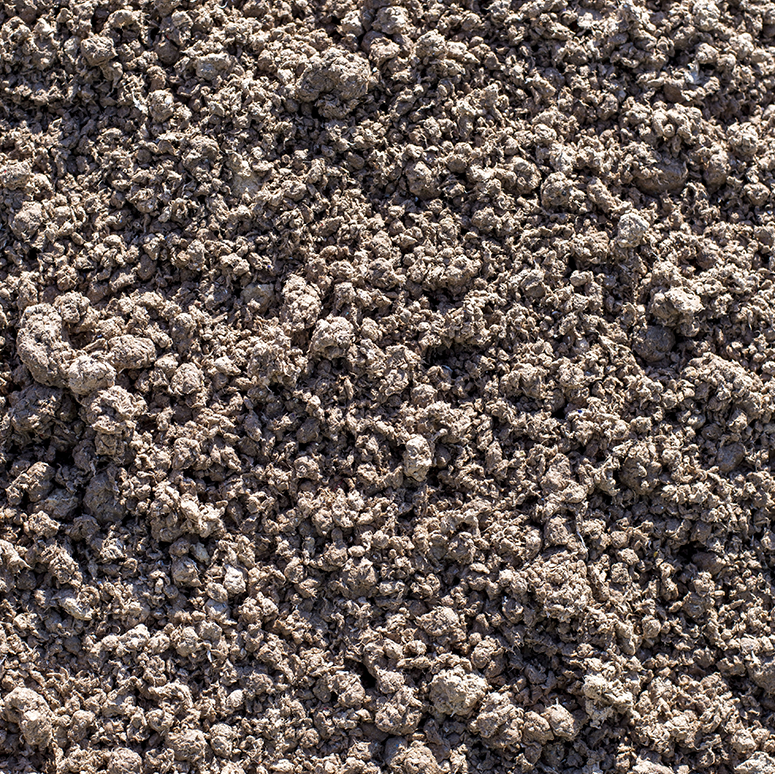
Composting involves techniques used to control the decomposition of organic materials to produce a stable, humus- and mineral-rich material, that are agronomically superior to those of the original raw materials.
What affects composting?
The success of this biological process depends on factors that influence microbial activity: • Proper aeration of the composting unit • Moisture levels in the materials • Ambient temperature • Carbon-to-nitrogen ratio • Material particle size • pH of the composting material
We transform
0 t
per year
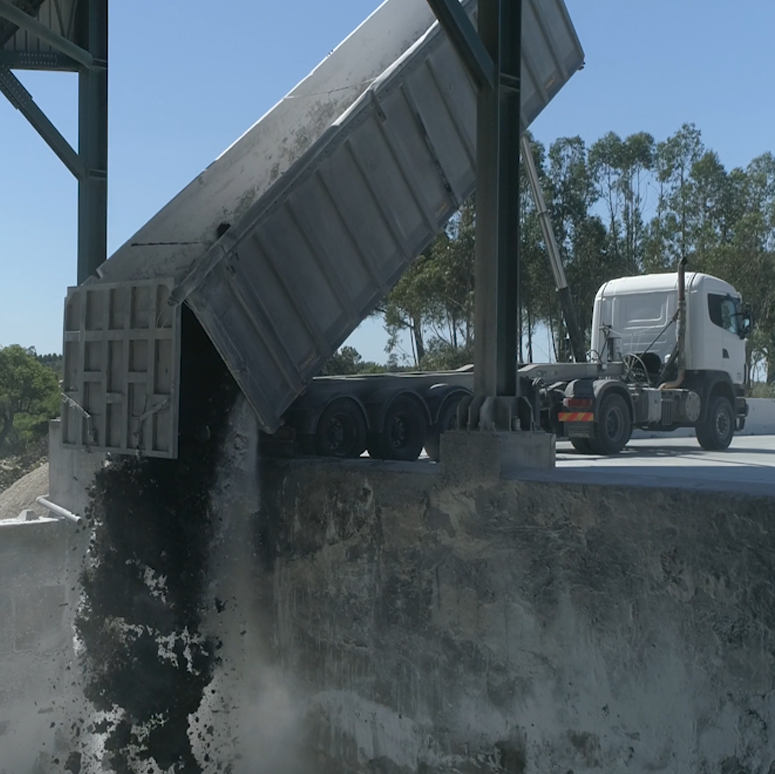
This means that, on average, 255 tonnes of organic waste arrive at our facilities each day.
There is a special beauty in how the organic waste we process plays a vital role in the natural and healthy growth of our future food. Watch our video to see how it works.
“In nature, nothing is created, nothing is lost, everything is transformed”
Lavoisier
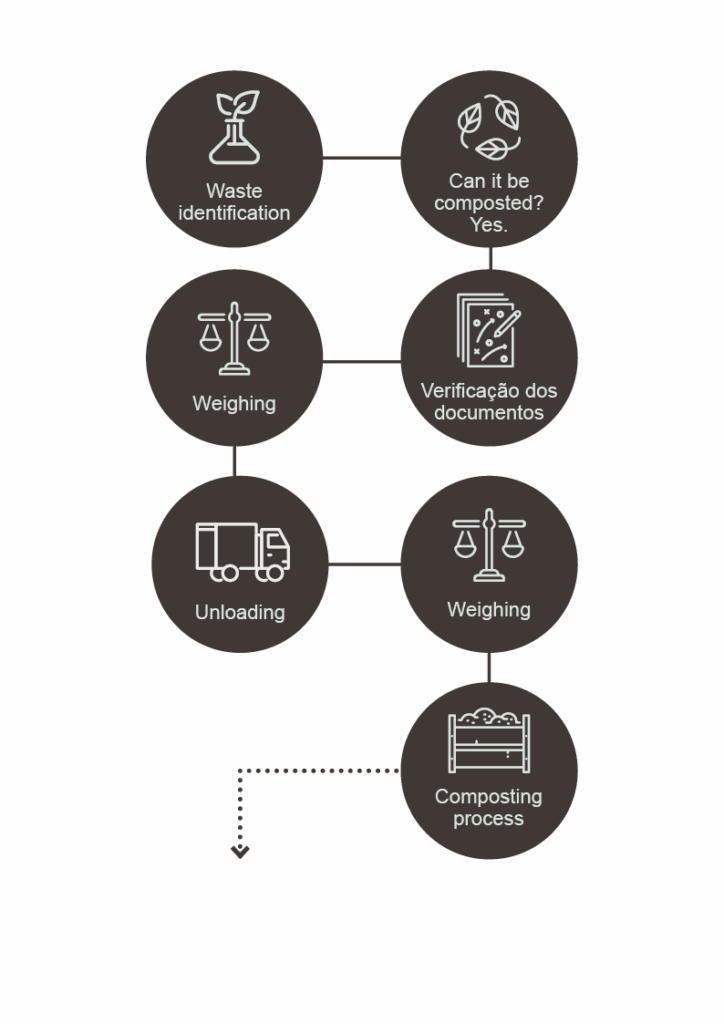
Where does the waste go?
Aerobic composting
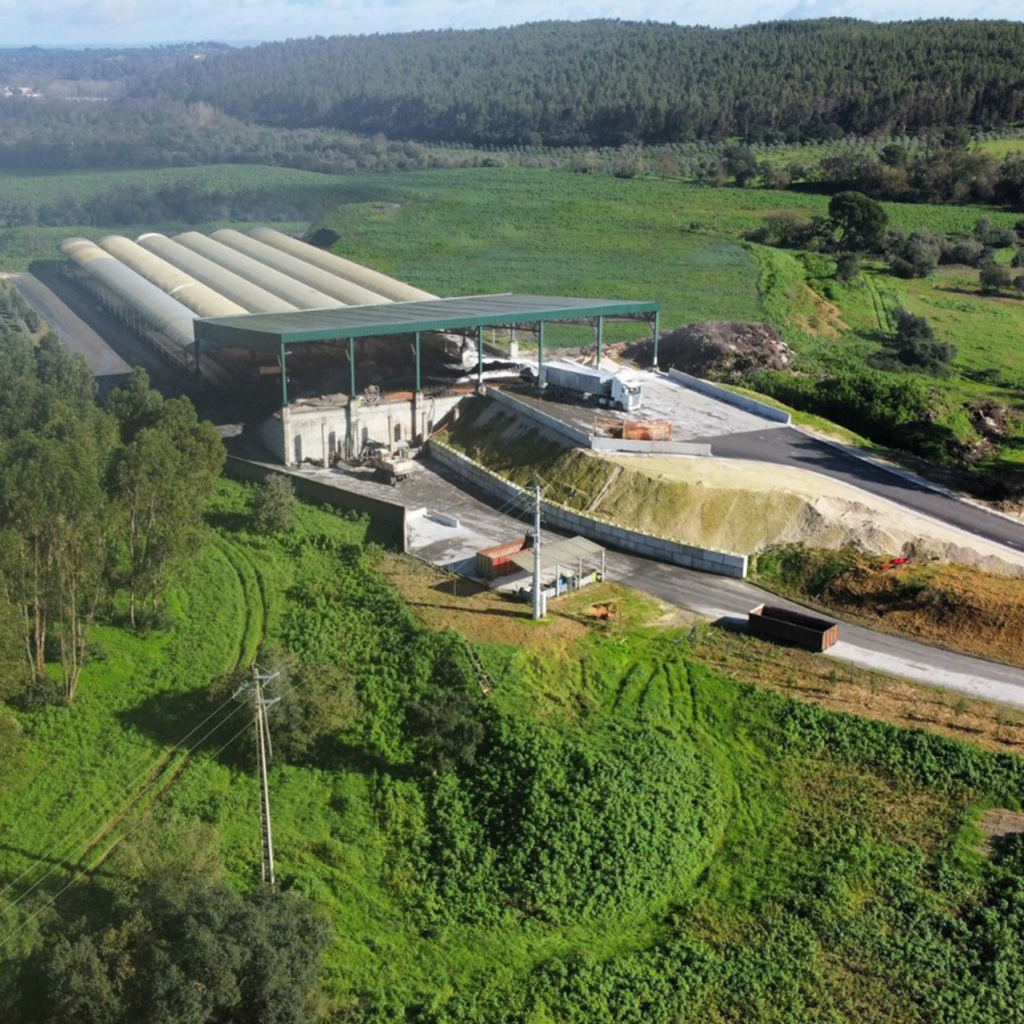
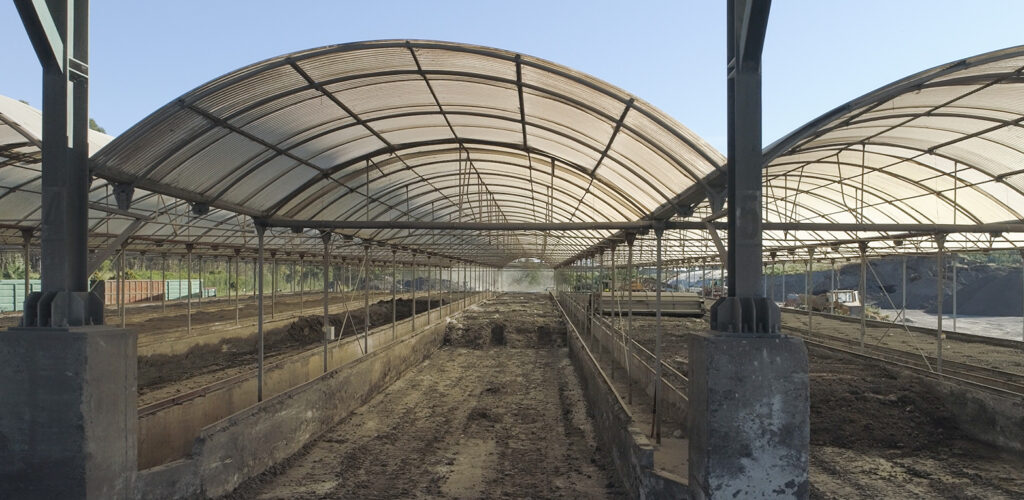
To valorize biodegradable waste, we use an aerobic composting process in beds with mechanical turning.
Benefits of this process
• Bed covers – protect against rain leaching, allow natural light, and retain heat; • Fine control over key biological process parameters (moisture, temperature, and oxygen); • Temperature management ensures proper compost sanitization, eliminating viruses, parasites, and harmful bacteria; • Enhances the quality of the final compost; • Flexible processing: continuous or batch.
What types of waste can we handle?
Turning waste into raw material
The waste we turn
into compost
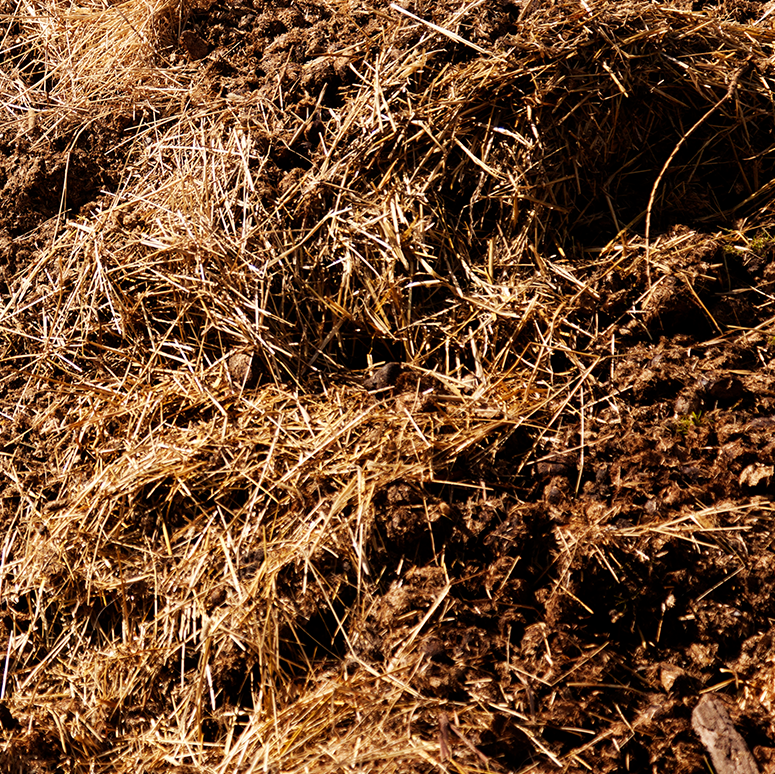
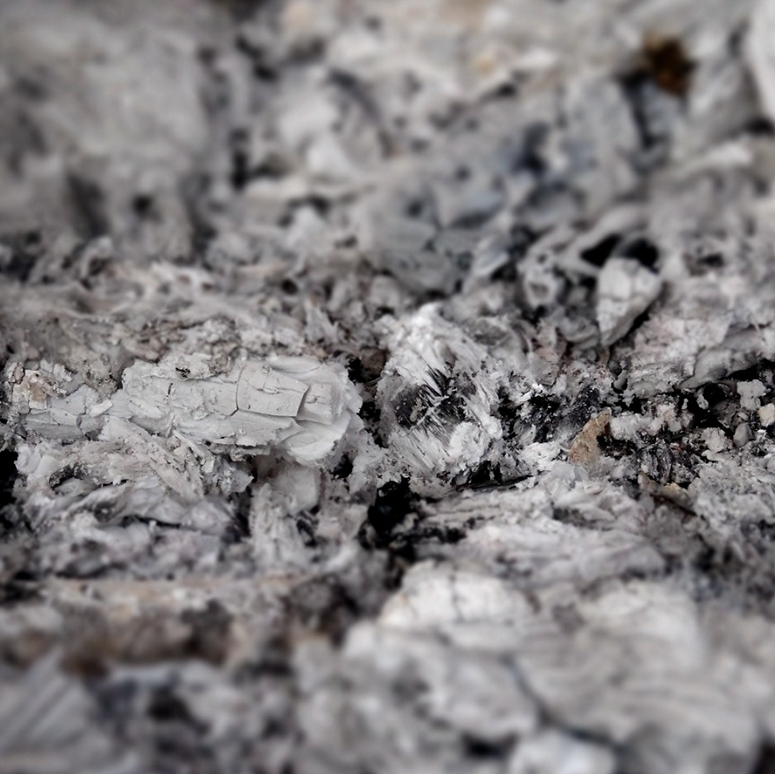
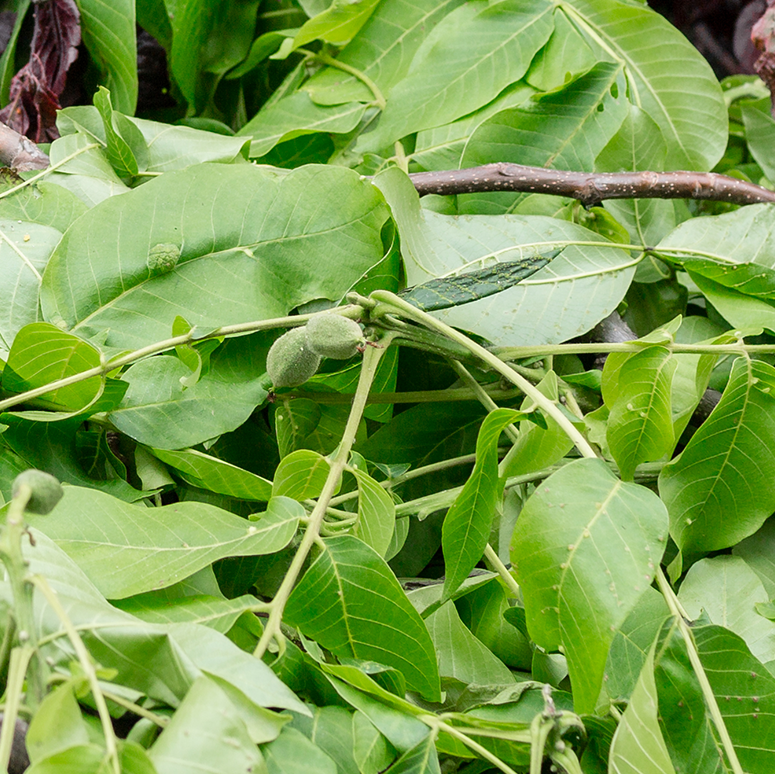
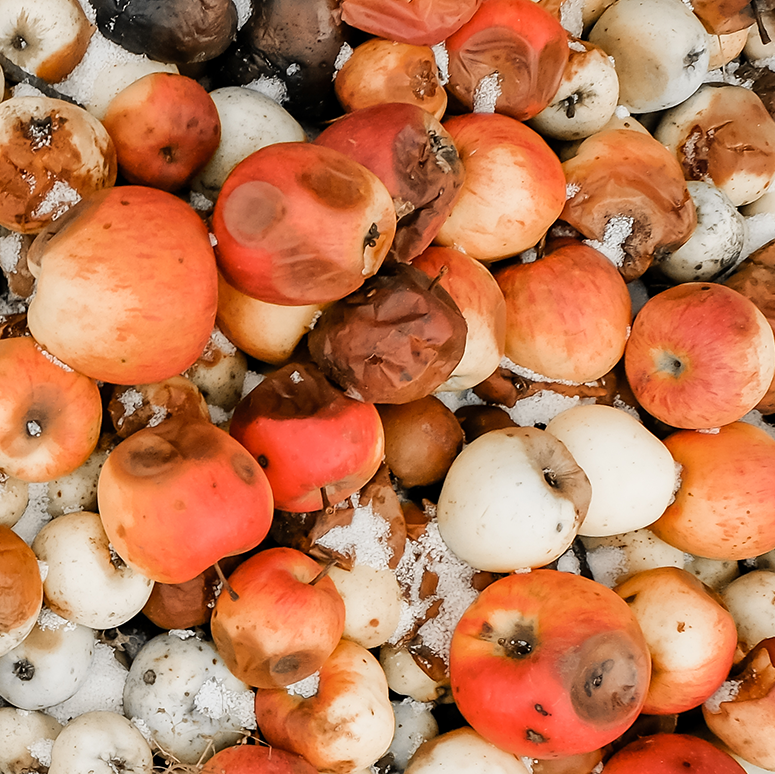
The quality of our organic soil amendment comes from the wide range of biodegradable waste we can compost. At our aerobic composting facility, we handle the following types of biodegradable materials:
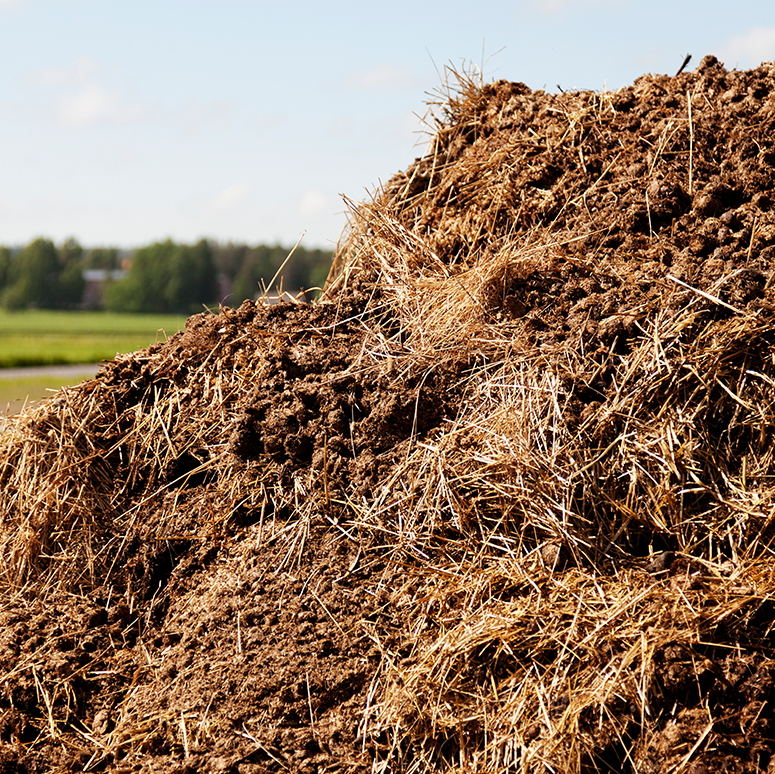
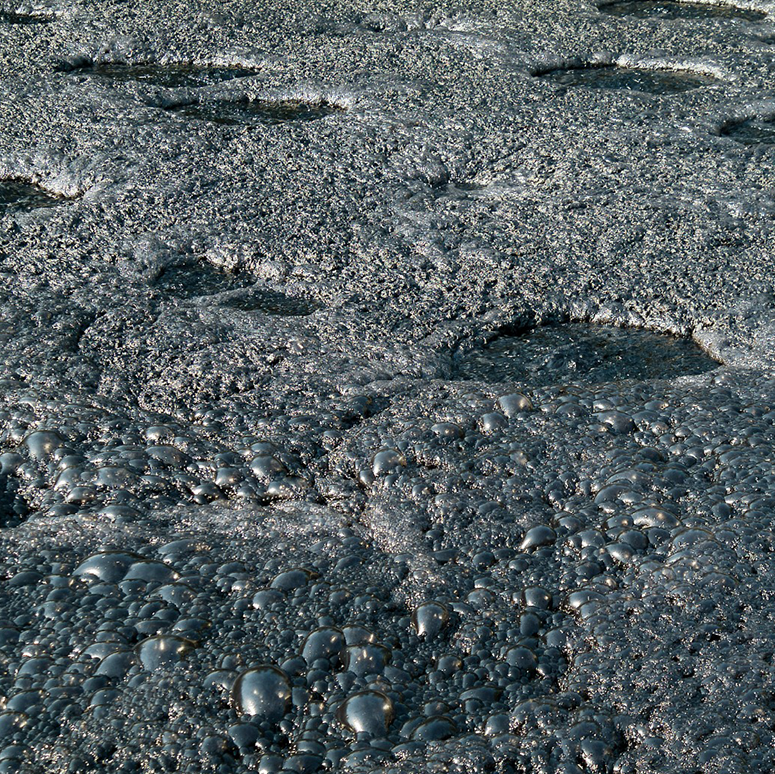
Animal manure and slurry (pigs, poultry, sheep, etc.)